

Bedside Cots For Newborns
The bassinet is designed to fit snugly close to your bed. It has a non-mesh panel which can be raised so that you can easily access it. MFM mum Emily was thrilled that it was able to fit into her bed frame, so she didn't need to get up during feedings at night.
Choose a crib mattress that is flat and firm. This will reduce the risk of SIDS. Read our guide on purchasing the best baby mattress for more details.
Convertible bedside cribs
A bedside cot that converts into a convertible model is a bassinet shaped bed that is attached to the side of your mattress. This allows you to easily lift your baby to feed or soothe them. Some are adjustable in height, and some can be set at an incline to ease reflux. Some are portable, which means you can move them from room to room during the day or when you travel.
One of the most versatile convertible cribs for bedside use on the market is the Stokke Sleepi Bed, which can be converted into a bassinet, midi crib, midi toddler bed as well as a full toddler bed and a junior bed. It has a wide range of features that include a rocking feature that can help soothe tired parents to sleep, and an add-on canopy and drape rod that can create a cozy womb-like setting. It is also lightweight and compact, making it simple to move or transport from room to room.
Another alternative is the Chicco Next2me Side Sleeping Crib which was shortlisted for the 2021 Mother&Baby Awards. It can be used as a cosleeper crib or a standalone crib. It has a handy storage space beneath the crib. Its slim frame makes it much smaller than other cribs, and it's quick and easy to put together. It's also fairly light at 9kg, and comes with a handy travel bag. The mattress is breathable and will help keep your child's temperature in check. It also has an incline feature for reflux babies.
The benefits of a bedside crib that converts to a convertible crib are many, but it is important to remember that sleeping next to your baby can increase SIDS risk. If you are considering this type of crib it is crucial to follow the guidelines for safe co-sleeping from the NHS and Lullaby Trust.
A bedside crib's durability is another advantage. These cots are designed to last for several years and can be converted into a daybed or toddler bed when your child is ready. They are also generally less expensive than cribs and could save you lots of money over the life of your child. They can be customized to your preferences and style.
Portable bedside cribs for children
A bedside crib can be used to keep your infant close and comfortable throughout the night. You can also have quick access to your child especially if your c-section caused you to be in a position where you are unable to get out of your bed. It's a great choice to feed your baby without fuss and help your baby develop independent sleep skills.
Most bedside cribs clip onto the side or mattress of the parent, allowing an easy transition from the adult's sleeping space to the baby's. Most bedside cribs have adjustable height settings to fit the adult bed. This reduces gaps that could lead to your child to be injured or trapped. Some models come with mesh sides that permit ventilation and visibility which is beneficial during the colder months.
Certain models have tilt features that you can use with care and on the advice of your doctor or health visitor to reduce reflux or colic. This is an excellent way to help your baby settle into a more relaxed sleeping position. But, you must be cautious to not to over-tilt the crib since this could increase SIDS risk.
You can get closer to your baby if you choose the crib with the swivel function, especially in the event that your partner is asleep. Cots For Tots have found this a great feature, as it means they can feed their child without leaving their bed.
A bedside crib that can be transported is a great option if you want your newborn to be with you in the evening, but don't have room for a full-sized crib or Moses basket. It's a great option for traveling, as it's lightweight and compact, and comes with a convenient bag. This particular model was a favorite among MFM home testers who appreciated its easy assembly (one was able to do it without the instructions!) It is easy to move from one room to another.
Co-sleeping bedside cribs
Bedside cribs can be a great choice for newborns that want to stay close to their parents. You can use them without stepping out of bed and feed your baby without any hassle. They're not recommended for babies who are older than six months and may pose a risk when your child begins to roll during the night.
There's a wide selection of bedside cribs including convertible models that can be converted to standalone cribs or toddler beds as your baby grows. These beds have side panels that can be removed and a conversion kits that allow you to switch from one type to another when your child is ready.
This Chicco crib is a great choice when you're looking for a light and simple bedside crib. It's small enough to fit into the bag of a traveler and easily moved from one area to another. It's available in various colors so you can match your existing nursery furniture.
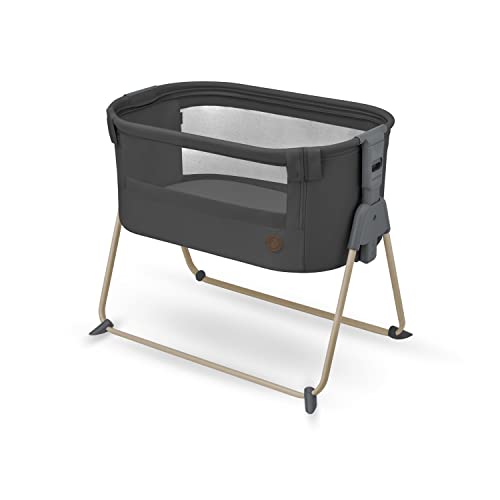
This bedside crib by Snuz is another great option. It has a number of features that help it stand out from the competition and includes a storage area for blankets and sheets and a patent-pending perforated base that increases air flow. It's also a little bigger than the Moses basket so you can use it for a longer period of time before upgrading to a larger crib.
It's crucial to remember that a crib or bedside crib should be equipped with a mattress that is firm. Mattresses with soft surfaces could increase your baby's risk of SIDS and should be avoided. Make sure to use a firm mattress in order to protect your child from stains, allergens, and odors.
A bedside crib is an attachment that is attached to the side of a bed for adults. They're popular with new parents since they can be easily lifted out of the way to feed their children at night, and are especially helpful for mothers who have had an c-section or are recovering from surgery. They are generally less expensive than cots of full size but your child may only use them for a period of six months.
Safety features
A bedside cot, also referred to as a "co-sleeper" is a safe way for newborns (or toddlers) to be close to their parents while still having their own bed space. It can be affixed to the side of the parent's bed, making it easier to reach the infant and comfort the infant if needed. It is crucial to choose a model that has safety features to ensure your baby is safe in the evening.
The most secure cribs for bedside use guardrails that encircle the mattress within a particular area, preventing children from falling off or climbing up. Some cribs are equipped with locks on their doors to prevent accidental opening. A bedside crib has better air circulation than some other types of sleeping environments which can decrease the risk of suffocation due to rolling over or poor sleeping positions.
The height of the cot as well as the distances between the bars must be taken into account. The gap should be less than 50cm, which means that your baby isn't able to be able to climb out once they are mobile. Additionally the cot should be free from soft toys and other objects that pose a suffocation risk. Make sure the mattress is flat and solid, as infants may choke when their heads are stuck.
Babies are generally not able to control their temperature, so it is best to avoid placing the cot near radiators or sunny windows, which can cause the bedding to overheat. Keep the cot away from cords for blinds since they can result in strangulation for infants. The Lullaby Trust advises against using pillows, teddy-bears, blankets, and sleep positioners as they can increase the risk of SIDS.
Find a crib that has a removable top panel and a wipe-clean surface. It is also washable in high temperatures. It's also a good idea to encourage daytime naps in a separate crib or bassinet to familiarize your child with their new bed and assist them in getting used to it. To ensure consistency, you should also stick to the same sleeping routines and measures of comfort as you do at night.